Collate Unified AI Platform
Collate Unified AI PlatformCollate es una plataforma SaaS de gobernanza de datos diseñada para centralizar y automatizar los procesos de gestión, calidad y cumplimiento del dato en entornos empresariales. Ofrece un catálogo de datos unificado que permite descubrir, clasificar y documentar activos de información distribuidos en múltiples sistemas. Gracias a su motor de linaje, Collate rastrea y visualiza el recorrido de los datos desde su origen hasta su consumo, facilitando la trazabilidad y la auditoría.
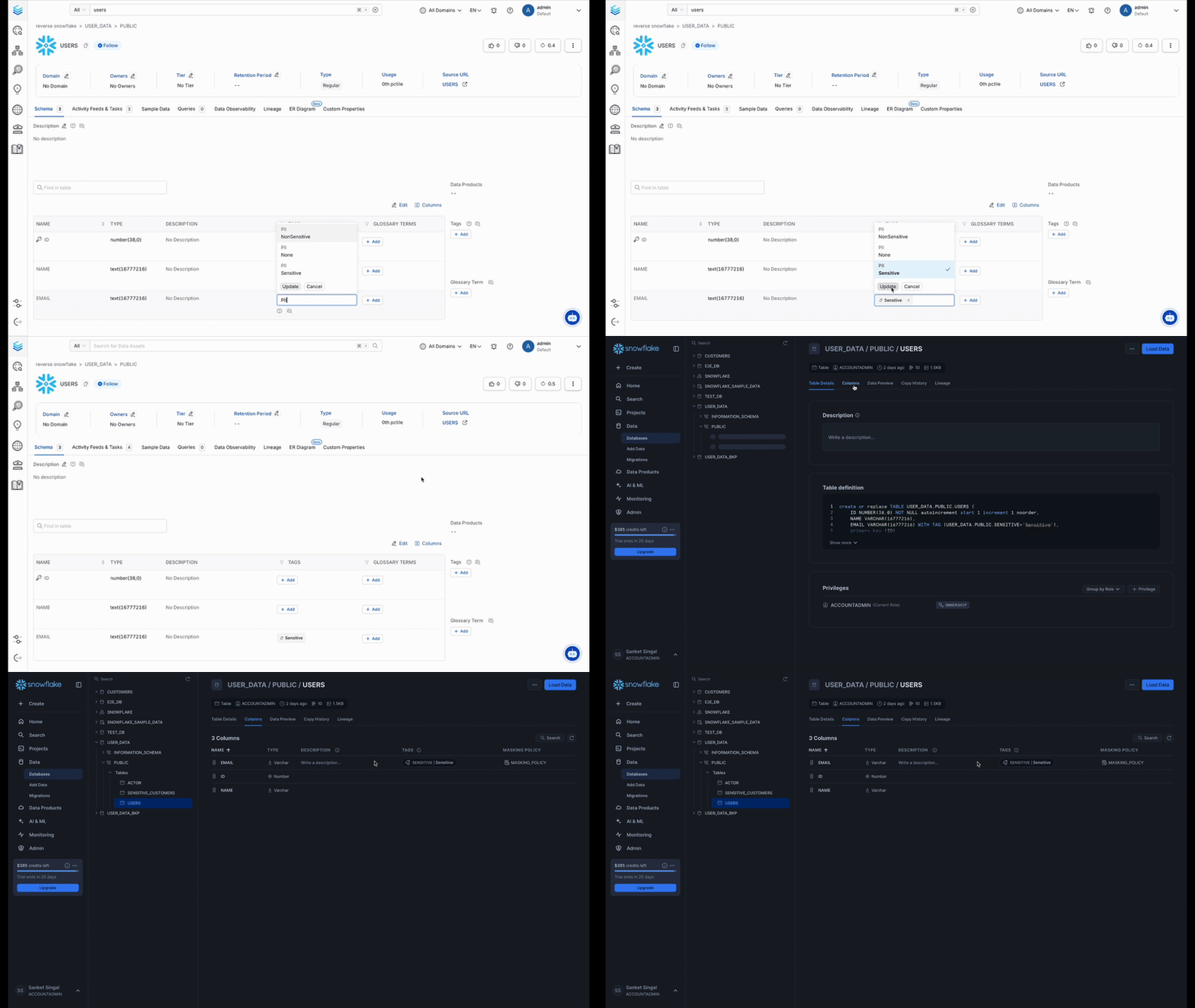
La solución incluye módulos de políticas de gobernanza configurables que se aplican de forma automática sobre metadatos y flujos de datos, habilitando controles de acceso basados en roles, aprobaciones de cambios y notificaciones en tiempo real. También incorpora herramientas de clasificación de datos sensibles mediante reglas predefinidas y aprendizaje automático, y soporta la integración con plataformas de calidad de datos para identificar anomalías y ejecutar acciones correctivas a través de flujos de trabajo orquestados.
Collate se integra con un amplio abanico de repositorios on-premise y en la nube, incluyendo almacenes de datos, lagos de datos, herramientas de BI y plataformas de ingeniería de datos. Su arquitectura modular y escalable permite implementar un piloto en semanas y escalar a entornos con decenas de equipos y miles de usuarios. Con soporte para API y conectores nativos, Collate se adapta tanto a ecosistemas heterogéneos como a sistemas basados en la nube pública, privada o híbrida.
Funcionalidades de Collate
Catálogo de datos unificado
Collate centraliza automáticamente los metadatos procedentes de orígenes on-premise y en la nube, creando un repositorio único de activos de información. Gracias a su explorador de datos con búsquedas facetadas y filtros personalizables, los usuarios pueden descubrir conjuntos, tablas y columnas en segundos. Cada elemento incluye metadatos técnicos y de negocio, documentación colaborativa y glosarios de términos, lo que facilita la comunicación entre equipos de IT y áreas de negocio. El catálogo se actualiza en tiempo real para reflejar altas, bajas o cambios de esquema.
Análisis y visualización de linaje de datos
El motor de linaje de Collate rastrea el recorrido de los datos desde su ingesta hasta su consumo final, tanto en procesos batch como en flujos de streaming. Representa gráficamente transformaciones, uniones y derivados en un diagrama interactivo que permite hacer zoom por etapas o profundizar en cada nodo. Esto aporta trazabilidad instantánea sobre quién consumió qué dato, desde qué fuente y bajo qué transformación, clave para auditorías y certificaciones regulatorias. Además, el sistema alerta automáticamente sobre discrepancias o rupturas de linaje, evitando puntos ciegos en la gobernanza.
Glosario de datos colaborativo
El módulo de glosario permite a los usuarios definir términos de negocio, métricas clave y KPIs de forma colaborativa. Cada término cuenta con su propia página, donde se documenta definición, ejemplos de uso, responsable y enlaces a activos relacionados. El sistema versiona los cambios y permite debatir definiciones mediante comentarios, de modo que las descripciones evolucionen con el conocimiento compartido de la organización.
Motor de políticas y control de acceso
El módulo de políticas de Collate ofrece un entorno declarativo para definir reglas de gobernanza basadas en metadatos, etiquetas y atributos de sensibilidad. Permite aplicar automáticamente controles de acceso por roles, aprobar solicitudes de cambio y notificar a los responsables cuando se detecta un nuevo activo o se modifica uno existente. Las políticas pueden versionarse y simularse antes de entrar en producción, evitando bloqueos inesperados en los pipelines de datos. Así se garantiza que solo los usuarios autorizados puedan consultar, modificar o compartir la información sensible.
Clasificación y detección de datos sensibles
Collate incorpora un motor de clasificación híbrido que combina reglas definidas por el usuario con algoritmos de machine learning para identificar automáticamente datos personales, financieros o de carácter confidencial. Una vez detectados, los activos se etiquetan y se incluyen en informes de riesgo o cumplimiento, facilitando la elaboración de informes de privacidad (por ejemplo, GDPR). El sistema permite ajustar umbrales de confianza y tipos de patrones (como expresiones regulares para números de tarjeta) para controlar la precisión de la detección. Además, ofrece dashboards que muestran métricas de cobertura y evolución de la sensibilidad a lo largo del tiempo.
Orquestación de flujos de calidad de datos
La plataforma integra un motor de calidad que ejecuta validaciones programadas o bajo demanda sobre calidad, completitud y consistencia de los datos. Los resultados se materializan en registros de incidencias y en dashboards de SLA, donde se priorizan las alertas según el impacto en el negocio. Las reglas de calidad pueden disparar workflows de corrección automática o asignar tareas a los equipos responsables mediante integraciones con herramientas de ticketing.
Integraciones y conectores nativos
Collate dispone de más de 60 conectores certificados para sistemas de bases de datos relacionales, lagos de datos, plataformas de BI, aplicaciones SaaS y herramientas de ingeniería de datos. Cada conector extrae metadatos, linaje y métricas de calidad respetando las APIs y estándares de seguridad de cada plataforma. Esto permite una integración “out-of-the-box” que reduce el tiempo de despliegue y la carga de trabajo de los equipos de infraestructura. Además, Collate se integra con sistemas de identidad corporativa (LDAP, SSO) y soluciones de ticketing para cerrar el ciclo de gobernanza.
API REST y automatización
La API REST de Collate expone todas las operaciones de catálogo, políticas, linaje y calidad para que puedan consumirse desde scripts o plataformas de orquestación externas. Con esta API se pueden automatizar tareas como la creación de glosarios, la ejecución de escaneos de metadatos o la extracción de informes periódicos. También soporta webhooks que disparan eventos en tiempo real ante cambios en el entorno de datos, facilitando la integración con pipelines CI/CD y plataformas de observabilidad.
Escalabilidad multi-equipo y gestión de usuarios
La arquitectura basada en microservicios y multitenancy de Collate permite escalar horizontalmente sin degradar el rendimiento, incluso con miles de usuarios concurrentes. Ofrece un panel de administración centralizado donde se gestionan permisos granulares, grupos de trabajo y cuotas de recursos por proyecto. Los administradores pueden supervisar métricas de uso, rendimiento de los conectores y estado de los escaneos en tiempo real. Además, Collate soporta entornos híbridos y despliegues en clusters Kubernetes.
Reseña técnica
Collate ofrece una plataforma integral para la gobernanza de datos que unifica la ingesta, el linaje, la catalogación y el cumplimiento en un solo entorno. Mediante conectores nativos y una arquitectura basada en gráfos de conocimiento, agiliza la visibilidad de activos y acelera la implementación de políticas corporativas.
En la ingesta automática, Collate recoge metadatos estructurales y operativos de más de 90 fuentes —almacenes, lagos, bases de datos y herramientas de BI— sin necesidad de desarrollo adicional. Cada extracción incluye esquemas, estadísticas de uso y descripciones, y se actualiza en tiempo real, garantizando un inventario siempre al día.
El grafo de conocimiento potencia la catalogación inteligente y el descubrimiento de activos. A través de algoritmos de lenguaje natural, sugiere etiquetas, sinónimos y definiciones de negocio que enriquecen el catálogo. Los usuarios exploran dependencias y reciben recomendaciones de relationship stewards para optimizar la governanza.
La funcionalidad de linaje end-to-end proporciona un mapa visual de las rutas de datos, desde su origen hasta cada reporte o dashboard. Esta trazabilidad facilita el diagnóstico de incidentes, la evaluación de impacto ante cambios y la documentación de flujos ETL/ELT. Los diagramas se actualizan dinámicamente al detectarse nuevas transformaciones.
Los workflows no-code permiten automatizar procesos de aprobación y certificación mediante reglas basadas en triggers y condiciones personalizadas. Cada activo puede transitar estados (borrador, revisión, certificado) con notificaciones automáticas a data stewards, lo que incrementa la eficiencia y asegura auditoría completa.
Para la protección de datos sensibles, Collate implementa agentes de IA que escanean y clasifican columnas PII según patrones y diccionarios. Se generan alertas ante desviaciones de políticas y se documentan excepciones, fortaleciendo la estrategia de compliance con normativas como GDPR o CCPA.
El control de acceso aprovecha un modelo RBAC sincronizado bidireccionalmente con sistemas corporativos (LDAP, SSO). Esto unifica permisos en origen y catálogo, reduciendo la fragmentación y evitando configuraciones dispares. La integración con ticketing y APIs REST amplía la extensibilidad hacia entornos de desarrollo y operaciones.
Por último, los dashboards de cumplimiento ofrecen métricas clave —porcentaje de activos certificados, nivel de cobertura PII, tiempos de ciclo de workflows— y envían alertas en caso de incumplimiento de SLAs internos. Con estas herramientas, Collate facilita una cultura de datos sostenible y auditada en organizaciones de cualquier escala.
Fortalezas y Debilidades
| Fortalezas | Debilidades |
|---|---|
| Integración amplia: Conectores nativos a >90 sistemas (data warehouses, BI, lago, bases). | Curva de aprendizaje: Complejidad inicial para configurar flujos avanzados y entender el grafo. |
| Metadatos en tiempo real: Actualización constante de esquemas, uso y linaje. | Dependencia de OpenMetadata: Limitaciones propias del estándar en escenarios muy específicos. |
| Workflows “no-code”: Orquestación visual de aprobaciones y certificaciones sin programación. | Escalabilidad de IA: En clusters muy grandes, los agentes de clasificación pueden ralentizarse. |
| Linaje end-to-end: Mapa dinámico de transformaciones y rutas de datos. | Interfaz saturada: Demasiados módulos y paneles pueden abrumar a usuarios no especializados. |
| RBAC bidireccional: Sincronización de permisos con LDAP, SSO y fuentes de datos. | Personalización limitada: Algunos plugins requieren desarrollo externo para casos muy concretos. |
| Clasificación automática PII: Detección inteligente de datos sensibles. | Reportes nativos básicos: Los dashboards de cumplimento carecen de gráficas extremadamente detalladas. |
| APIs y webhooks: Extensibilidad para integrarse con Jira, ServiceNow, CI/CD. | Coste de licenciamiento: Modelo de precios puede resultar elevado para organizaciones pequeñas. |
Licenciamiento e instalación
Collate se distribuye bajo un modelo de licenciamiento de suscripción comercial (Enterprise Edition) con opción de prueba gratuita y una versión Community bajo licencia Open Core, lo que permite adaptar costes y funcionalidades al alcance de cada proyecto. En cuanto al tamaño de empresa, está especialmente orientado a organizaciones de mediano y gran volumen de datos (mid-market y enterprise) que requieren escalabilidad y soporte corporativo, aunque la edición Community resulta adecuada para startups y equipos más reducidos.
El tipo de instalación es muy flexible: puede desplegarse como servicio SaaS gestionado en la nube, en entornos on-premises dentro del propio centro de datos o en configuraciones híbridas
Referencias
Página oficial de Collate: https://www.getcollate.io