Atlan Data Catalog & Governance
Atlan Data Catalog & GovernanceAtlan es una plataforma de catálogo y gobernanza de datos que unifica metadatos de diversas fuentes —bases de datos, data lakes, herramientas de BI y pipelines de datos— en un único repositorio. Diseñada para equipos multidisciplinares, ofrece búsquedas estilo “Google” basadas en lenguaje natural, contexto de negocio o sintaxis SQL, de modo que analistas, ingenieros y usuarios de negocio puedan localizar rápidamente los activos de información que necesitan.
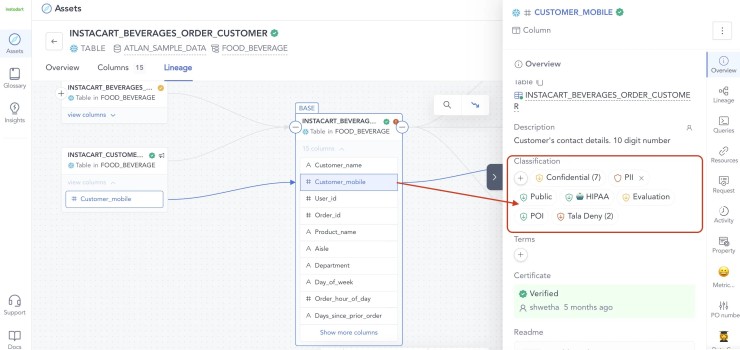
Entre sus funcionalidades destacan la construcción automática de un glosario de negocio, el linaje a nivel de columna que rastrea el recorrido de los datos desde su origen hasta los dashboards, y la gobernanza activa mediante políticas basadas en roles y etiquetas de sensibilidad. Además, Atlan incorpora enriquecimiento continuo de metadatos, paneles de colaboración embebidos en herramientas como Slack o Jira, y una capa de APIs abiertas para integrarse con el ecosistema de datos existente.
Como puntos fuertes, aporta un modelo de “metadata activa” que automatiza tareas de documentación y clasificación, favorece la colaboración entre equipos y acelera la adopción gracias a su interfaz intuitiva. Entre sus debilidades, algunos clientes reportan limitaciones en la personalización de componentes de la interfaz de usuario y una curva de aprendizaje inicial para dominar todas sus capacidades avanzadas
Funcionalidades principales de Atlan Data Catalog & Governance
1. Descubrimiento y catálogo unificado
Atlan centraliza metadatos de múltiples fuentes —almacenes de datos, lagos, herramientas de BI y pipelines— en un único repositorio. Cada activo recibe un perfil enriquecido con descripciones, esquemas, propietarios y métricas de calidad, de modo que cualquier usuario puede encontrar lo que necesita en segundos. La plataforma incluye filtros y facetas personalizables, búsquedas con autocompletar y sugerencias contextuales, evitando recorridos interminables por carpetas o silos de información. Gracias a rastreos programados y desencadenadores ante cambios, el catálogo siempre refleja el estado más reciente de los datos sin intervención manual.
2. Glosario de negocio activo
El glosario de negocio de Atlan no es un simple diccionario estático, sino un espacio vivo donde se definen términos, métricas y taxonomías propias de la organización. Cada término se enlaza automáticamente con activos de datos y dashboards, insertando definiciones directamente en interfaces de análisis como Looker, Tableau o Power BI. Las versiones y el historial de cambios quedan registrados, garantizando trazabilidad de quién modificó cada concepto y cuándo. Esto unifica el lenguaje entre equipos técnicos y de negocio, reduciendo malentendidos y acelerando la adopción del catálogo.
3. Linaje de datos a nivel de columna
Atlan mapea de forma automática el flujo de datos desde su origen hasta su consumo final, incluyendo transformaciones a nivel de columna. Mediante conectores estándar (Snowflake, BigQuery, dbt, Airflow, etc.) extrae dependencias y genera gráficos de linaje interactivos. Esto facilita el análisis de impacto ante cambios en esquemas y detecta cuellos de botella en pipelines. Los usuarios pueden navegar por ramas de linaje, filtrar por tipo de transformación y exportar vistas para auditorías o compliance.
4. Perfiles 360° de activos de datos
Cada tabla, vista o dataset dispone de un “perfil 360°” que combina metadatos técnicos, métricas de calidad, historial de consultas y anotaciones colaborativas. Desde una misma pantalla se obtiene un preview enmascarado de los datos, enlaces a documentos (READMEs), tickets de Jira o canales de Slack, y comentarios de compañeros. Los dashboards asociados aparecen embebidos, permitiendo ir de una visualización al origen con un clic. Esta vista integral acelera la toma de decisiones al ofrecer todo el contexto en un solo lugar.
5. Gobernanza activa y cumplimiento
Atlan implementa políticas de acceso granular basadas en roles, grupos o etiquetas de sensibilidad (PII, confidencial, interno). El motor de políticas se aplica en cada conexión, tabla e incluso columna, bloqueando consultas no autorizadas y cifrando datos según requisitos. Las reglas de cumplimiento (GDPR, HIPAA) se automatizan con clasificadores de IA que detectan datos sensibles y asignan controles. Además, se generan reportes de cumplimiento y se registra un historial de accesos para auditorías.
6. Colaboración integrada
La plataforma incorpora flujos de trabajo colaborativos nativos y se conecta bidireccionalmente con herramientas como Slack, Microsoft Teams y Jira. Los usuarios pueden iniciar discusiones, asignar tareas de gobernanza, solicitar permisos o certificar activos sin abandonar su canal preferido. Las notificaciones se gestionan desde Atlan y pueden incluir contextos de metadatos, enlaces directos a perfiles y plantillas de mensajes. Esto fomenta la responsabilidad compartida y acelera la resolución de incidencias.
7. Búsqueda con lenguaje natural y SQL
Atlan ofrece una experiencia de búsqueda tipo “Google para tus datos”, aceptando consultas en lenguaje natural y en sintaxis SQL. El sistema interpreta términos de negocio y los mapea a columnas, tablas o definiciones del glosario, retornando resultados ordenados por relevancia y confianza. Para usuarios SQL avanzados, el autocomplete sugiere fragmentos de código, variables y joins basados en metadatos. Las búsquedas pueden guardarse y compartirse en colecciones, facilitando la reutilización de consultas.
8. Extensibilidad mediante APIs abiertas
Toda funcionalidad de Atlan está disponible a través de APIs REST y SDKs en Python y Java. Esto permite integrar flujos de ingesta, etiquetado o linaje en pipelines de CI/CD, automatizar playbooks de calidad de datos y desarrollar aplicaciones complementarias. Las APIs cubren gestión de activos, glosarios, políticas y workflows, habilitando orquestaciones a gran escala. Las organizaciones pueden así incorporar Atlan en arquitecturas event-driven, disparar actualizaciones en tiempo real y ajustar el catálogo a sus procesos internos.
9. Modelado de dominios y productos de datos
Atlan introduce conceptos de dominios y productos para organizar activos según áreas de negocio (marketing, finanzas, ventas). Dentro de cada dominio, se crean productos de datos que agrupan tablas, pipelines y dashboards relevantes. Los productos cuentan con métricas de salud (“product score”), críticas de negocio y niveles de sensibilidad. Esta abstracción facilita delegar responsabilidades a equipos especializados, monitorear la adopción y medir el valor generado por cada conjunto de datos.
Reseña técnica de Atlan Data Catalog & Governance
Atlan es una solución empresarial enfocada en la gestión de metadatos y el gobierno de datos, diseñada para ofrecer una visión unificada de todos los activos de información dentro de la organización. Su arquitectura API‑first garantiza una integración fluida con más de 100 fuentes, desde almacenes de datos y herramientas de BI hasta pipelines de ETL. La plataforma adopta un enfoque de metadatos activos, que mantiene el catálogo siempre actualizado sin intervención manual y facilita el cumplimiento normativo en entornos cambiantes.
La ingesta automática de metadatos resulta fundamental para eliminar tareas repetitivas: Atlan detecta cambios en esquemas, tablas y dashboards y los refleja al instante en su repositorio central. Gracias a sus conectores nativos, la plataforma captura tanto información estructural como métricas de uso y de calidad en tiempo real, lo que potencia la visibilidad operativa y la gobernanza continua.
La capa de búsqueda semántica permite localizar activos mediante consultas en lenguaje natural o SQL, apoyada por un sistema de facetas dinámicas que adapta los filtros según el contexto de cada búsqueda. Esta funcionalidad reduce drásticamente el tiempo dedicado a localizar datos y mitiga el riesgo de duplicación de esfuerzos, especialmente en organizaciones con grandes volúmenes de activos distribuidos.
Cada elemento catalogado cuenta con un perfil 360°, donde se consolidan descripciones de negocio, ejemplos de datos, historial de consultas, métricas de calidad (completitud, unicidad, distribución) y enlaces a documentación externa (READMEs, hilos de Slack, tickets de Jira). Esta visión holística agiliza la toma de decisiones y permite evaluar rápidamente la idoneidad de cualquier activo para proyectos específicos.
El módulo de gobierno incluye un glosario de términos con jerarquías y sinónimos, además de políticas RBAC y ABAC aplicables a nivel de catálogo, base de datos, tabla o columna. Es posible definir reglas de enmascaramiento y restricciones de acceso de acuerdo con regulaciones como GDPR o CCPA, todo ello sincronizado con proveedores de identidad (Okta, Active Directory).
La trazabilidad de datos (lineage) ofrece un mapeo visual completo de flujos upstream y downstream, destacando dependencias y puntos críticos. Esta caracterización facilita auditorías y análisis de impacto antes de aplicar cambios, reduciendo la probabilidad de interrupciones en los procesos de producción.
El espacio de colaboración integra comentarios, valoraciones y notificaciones sobre activos, habilitando la asignación de stewards y la solicitud de permisos directamente en la interfaz. Al conectar conversaciones de Slack y Jira, Atlan fomenta la responsabilidad compartida y acelera los flujos de trabajo entre ingenieros, analistas y responsables de negocio.
Por último, la plataforma ofrece un SDK en Python, webhooks y APIs RESTful para automatizar tareas, generar informes y desarrollar conectores personalizados. Esta extensibilidad garantiza que Atlan se adapte a arquitecturas heterogéneas y evolucione junto a las necesidades de cada organización.
| Fortalezas | Debilidades |
|---|---|
| Ingesta automática y sincronización continua de metadatos | Curva de aprendizaje inicial para dominar funciones avanzadas |
| Búsqueda híbrida (lenguaje natural y SQL) con sugerencias contextuales | Opciones de personalización de la interfaz algo limitadas |
| Linaje interactivo a nivel de columna, con impacto y dependencias claras | Detección de datasets duplicados necesita mayor precisión |
| Glosario de negocio activo vinculado a activos y dashboards | Coste elevado para proyectos de pequeña escala |
| APIs y SDKs abiertos que permiten extensibilidad y automatización de flujos | Playbooks de automatización en evolución y con margen de mejora |
| Gobierno granular: Políticas RBAC/ABAC hasta nivel de columna, con cumplimiento normativo. | Requisitos de infraestructura: necesita recursos considerables para ingesta masiva de metadatos. |
Licenciamiento e instalación de Atlan
Atlan se distribuye mediante licencia por suscripción, estructurada en los planes Starter, Premier y Enterprise con métricas variables de usuarios, conectores y soporte técnico; está orientado principalmente a medianas y grandes empresas que requieran gobernanza avanzada y trazabilidad de datos; su formato de implementación favorece un despliegue SaaS con posibilidad de configurar entornos en nube privada o servicios gestionados según políticas de seguridad y cumplimiento2.
Referencias
Página oficial de Atlan: Atlan Active Metadata Platform