OvalEdge Data Governance
OvalEdge Data GovernanceOvalEdge Data Governance es una plataforma integral de gobernanza de datos de extremo a extremo que combina capacidades de catálogo, linaje y calidad de datos potenciada por inteligencia artificial. Está diseñada para organizaciones que buscan asegurar que su información sea accesible, confiable y cumpla con normativas de privacidad y protección de datos en todo momento. Su arquitectura modular facilita la implementación tanto en proyectos piloto como en programas corporativos a gran escala.
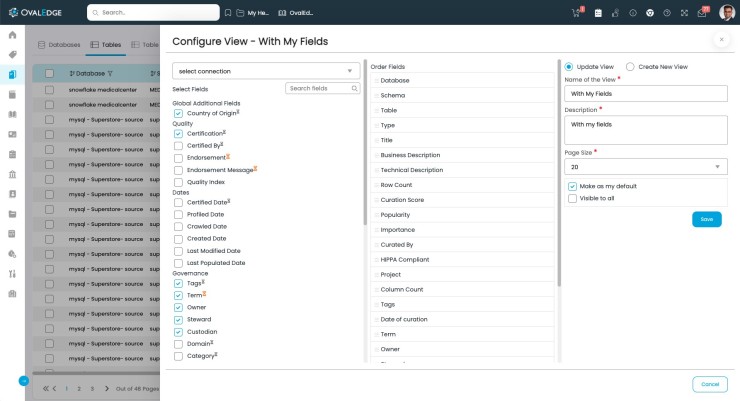
Entre sus componentes clave se incluyen un catálogo de datos centralizado, generación automática de linaje, glosario de negocio colaborativo, reglas de calidad y detección de anomalías, además de un centro de remediación. La plataforma incorpora herramientas de clasificación y acceso a datos, así como un motor de cumplimiento de privacidad que permite aplicar políticas de protección sobre datos sensibles. Gracias a su amplia gama de conectores «out-of-the-box», integra fuentes tan diversas como bases de datos tradicionales, lagos de datos y soluciones BI en la nube, agilizando el despliegue y reduciendo la complejidad de integración.
OvalEdge adopta un enfoque basado en resultados estructurado en cuatro etapas: establecimiento de un marco de gobernanza con roles, responsabilidades y métricas; curación inteligente del catálogo adaptada a las prioridades del negocio; automatización de controles y flujos de trabajo mediante integraciones con herramientas como JIRA o ServiceNow; y habilitación del consumo seguro y la colaboración a través de extensiones de navegador, asistentes virtuales y módulos de consulta ad hoc. Este ciclo garantiza que los usuarios puedan descubrir y utilizar datos gobernados sin violar políticas internas ni comprometer la agilidad operativa.
Funcionalidades de OvalEdge Data Governance
Catálogo de datos
El catálogo de datos centralizado de OvalEdge actúa como el núcleo de toda la plataforma, almacenando y organizando metadatos procedentes de una amplia variedad de orígenes —bases de datos tradicionales, lagos de datos y herramientas BI en la nube— mediante conectores nativos. Gracias a su interfaz intuitiva, los usuarios pueden buscar, filtrar y descubrir activos de datos por nombre, términos del glosario o tags personalizados. Además, soporta la colaboración en tiempo real: varias personas pueden documentar, enriquecer y validar metadatos simultáneamente, lo que acelera la construcción de un repositorio confiable y siempre actualizado.
Linaje automático de datos
La generación automática de linaje proporciona un mapa visual y detallado de cómo fluyen los datos a través de los diferentes sistemas, procesos ETL y pipelines analíticos. Mediante algoritmos de escaneo inteligente, OvalEdge detecta las relaciones entre fuentes y transformaciones sin necesidad de configuración manual, lo que ahorra semanas de trabajo. Este linaje se actualiza en tiempo real ante cambios estructurales, permitiendo a los equipos de datos entender el origen y destino de cada atributo y facilitar la resolución de problemas o auditorías de cumplimiento.
Glosario de negocio
El glosario de negocio colaborativo ofrece un espacio donde analistas y responsables definen, discuten y aprueban términos clave de la organización. Cada término puede asociarse a activos de datos y dominios específicos, estableciendo una taxonomía compartida que unifica el lenguaje entre áreas de negocio y TI. El control de versiones y los flujos de aprobación integrados garantizan la trazabilidad de cada definición, mientras que las notificaciones automáticas mantienen a los interesados al tanto de propuestas de nuevos términos o cambios en los existentes.
Reglas de calidad de datos
Con el módulo de reglas de calidad, los usuarios diseñan validaciones personalizadas que se ejecutan de forma automática sobre los activos catalogados. Estas reglas abarcan desde simples comprobaciones de integridad (valores nulos, formatos) hasta lógicas complejas basadas en relaciones entre tablas. Cada ejecución genera indicadores históricos de calidad, alertas configurables y reportes que permiten medir la evolución de la exactitud, completitud y consistencia de los datos, apoyando iniciativas de mejora continua y reporting regulatorio.
Detección de anomalías
El motor de detección de anomalías utiliza técnicas de machine learning y estadística para identificar desviaciones en patrones de datos con respecto a comportamientos históricos o rangos definidos. Al configurarse umbrales dinámicos, el sistema alerta automáticamente sobre picos inesperados, valores atípicos o rupturas en tendencias, lo que facilita la detección temprana de errores operativos, fraude o problemas en la captura de información. Las alertas pueden integrarse en flujos de trabajo de remediación para dar respuesta rápida.
Centro de remediación
El centro de remediación centraliza la gestión de incidencias de calidad y linaje en un único panel, donde cada alerta o ticket continúa su ciclo de vida hasta su resolución. Esta área permite asignar responsables, priorizar tareas y documentar acciones correctivas, integrándose con sistemas de gestión de incidencias como JIRA o ServiceNow. Al mantener un historial de cada intervención, promueve la mejora continua y ofrece visibilidad ejecutiva sobre el impacto de los problemas y la eficacia de las soluciones implementadas.
Cumplimiento de privacidad
El módulo de cumplimiento de privacidad automatiza la clasificación y protección de datos sensibles mediante políticas basadas en regulaciones como GDPR o CCPA. OvalEdge detecta información de identificación personal (PII) y otros datos críticos, aplicando automáticamente etiquetas de confidencialidad y recomendaciones de enmascaramiento o pseudonimización. Asimismo, facilita la generación de informes de auditoría y la gestión de consentimientos, garantizando que los procesos de acceso y uso de datos respeten las políticas internas y los requisitos legales.
Clasificación de datos
La clasificación de datos en OvalEdge asigna atributos y etiquetas a cada elemento según criterios predefinidos o personalizados, identificando datos sensibles, críticos o de uso restringido. Este proceso apoya tanto el control de privacidad como la priorización en tareas de catalogación y curación. Gracias a la combinación de reglas automáticas y validación manual, se consigue un balance óptimo entre velocidad de implementación y precisión de la clasificación, lo que facilita la gobernanza de grandes volúmenes de metadatos sin sacrificar la fiabilidad.
Gobernanza de acceso a datos
OvalEdge incorpora flujos de trabajo para gestionar solicitudes de acceso, desde la petición inicial hasta la aprobación y auditoría final. Al integrarse con herramientas de ticketing y directorios corporativos, automatiza la asignación de permisos, notifica a los propietarios de datos y registra cada transacción para fines de auditoría. Esto garantiza que solo usuarios autorizados accedan a información sensible, agilizando procesos internos y reduciendo riesgos operativos y de cumplimiento normativo.
Reseña técnica de OvalEdge Data Governance
OvalEdge Data Governance constituye una plataforma modular diseñada para acelerar la gobernanza y el descubrimiento de datos en entornos corporativos complejos. Gracias a más de 150 conectores nativos, la conexión con sistemas relacionales, lagos de datos, herramientas BI y aplicaciones ERP se habilita sin intervención manual, lo que permite iniciar proyectos de perfilado y catalogación en plazos reducidos.
En el ámbito del catálogo de metadatos, OvalEdge facilita la recolección y el enriquecimiento automático de información sobre tablas, columnas y archivos, soportando metadatos técnicos y de negocio. Los diagramas de linaje interactivos, capaces de detallar cada transformación a nivel de columna, ofrecen visibilidad inmediata del flujo de datos desde su origen hasta los reportes finales, favoreciendo el análisis de impacto y la auditoría continua.
La capa de glosario corporativo impulsa la uniformización del vocabulario y la colaboración entre equipos de negocio y TI. Un sistema de workflows para aprobaciones y versiones de términos garantiza que cada definición evolucione con trazabilidad, mientras que el “Question Wall” acumula el conocimiento tácito generado por las consultas y anotaciones asociadas a cada activo.
En materia de cumplimiento normativo, los motores de IA incorporados detectan y clasifican datos sensibles (PII/PHI) a gran escala, automatizando las solicitudes de sujetos de datos (DSAR) y produciendo informes de auditoría conformes con GDPR, CCPA y otros marcos regulatorios. Los registros de acceso y las bitácoras de cambios documentan cada operación, reduciendo riesgos y tiempos de respuesta.
El control de acceso y la gestión de calidad se orquestan desde un único panel de gobernanza. Las políticas basadas en roles y dominios coordinan permisos mediante integraciones con ServiceNow o Jira, mientras que las reglas de calidad programadas detectan anomalías en tiempo real, generan alertas y crean tickets para resolver incidencias, promoviendo un ciclo de mejora continua.
Finalmente, la experiencia de usuario destaca por un diseño intuitivo y personalizable, acompañado de API REST que facilitan la extensión de funcionalidades y la integración en ecosistemas DevOps. La escalabilidad horizontal y la arquitectura “plug‑and‑play” habilitan el crecimiento gradual de la solución, adaptándose a las necesidades de organizaciones de cualquier tamaño.
Fortalezas y debilidades de OvalEdge
| Fortalezas | Debilidades |
|---|---|
| Amplia lista de conectores out-of-the-box que agiliza la integración | Conectividad limitada con sistemas mainframe y herramientas muy antiguas |
| Generación de linaje automático que ahorra tiempo en configuración manual | Proceso manual de carga de datos vía plantillas Excel puede resultar poco intuitivo |
| Interfaz intuitiva y colaborativa para curación de metadatos | Personalización de mensajes emergentes en ciertas funciones, como clasificación de datos, reducida |
| Motor de detección de anomalías basado en machine learning | Auto-linaje entre conectores heterogéneos aún no soportado |
| Soporte y servicios de consultoría reconocidos por su rapidez y adaptación | Curva de aprendizaje inicial para administradores sin experiencia en gobernanza |
| Módulos de cumplimiento de privacidad y políticas reguladoras integrados | Algunas funcionalidades avanzadas continúan en fase de desarrollo |
Licenciamiento e instalación
El modelo de licenciamiento de OvalEdge combina paquetes por usuario y por funcionalidad (Essential, Professional y Ultimate), incluyendo versiones de prueba gratuitas y opciones perpetuas en versiones anteriores, con tarifas modulables según el número de usuarios, conectores y complementos de calidad, linaje o acceso.
La solución se adapta a empresas de todos los tamaños, desde PYMEs que inician su programa de gobernanza hasta multinacionales con decenas de miles de usuarios, gracias a una arquitectura escalable y microservicios altamente distribuidos.
En cuanto al tipo de instalación, OvalEdge ofrece despliegues SaaS en nubes públicas o privadas, así como opciones on-premise e híbridas, permitiendo elegir entre servicio gestionado o instalación local según la estrategia y políticas de TI de cada organización.
Referencias
Página oficial de OvalEdge: https://www.ovaledge.com/