
Using Machine Learning/AI to Boost the Supply Chain: 5 Use Cases

 This article will discuss how supply chains are being improved through the use of innovative technologies before highlighting five uses of artificial intelligence and machine learning in supply chains.
When you finish reading, you’ll understand why many industry analysts have described A.I. technologies as disruptive innovations that have the potential to alter and improve operations across entire supply chains..
 This article will describe the relevance of open source software and big data before describing five interesting and useful open source big data tools and projects.
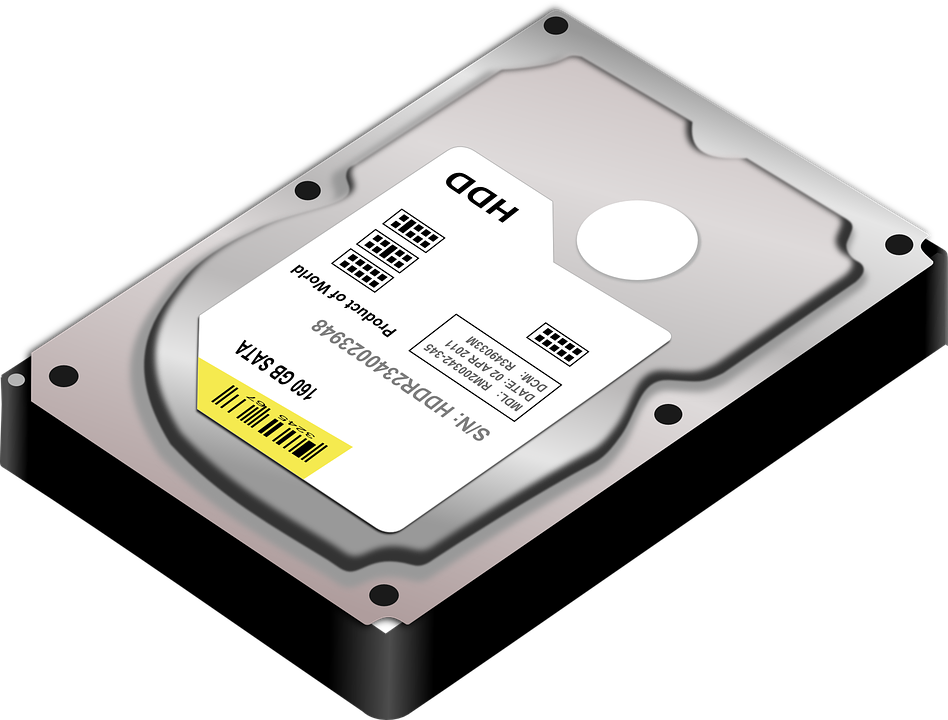 Tiered storage is a way of managing data by assigning it to different types of storage devices/media depending on the current value that the underlying information provides. The efficient management of data recognizes that all information provides an intrinsic value from the time it’s created to the time it becomes obsolete and that this value changes over the information lifecycle.
 Disaster recovery is a set of processes, techniques, and tools used to swiftly and smoothly recover vital IT infrastructure and data when an unforeseen event causes an outage.
 Amazon Web Services (AWS) is a subsidiary of Amazon that provides cloud computing services, accessible to both individuals and companies.
 Big Data marketing refers to the use of high-velocity, voluminous, and variable data to improve a company’s marketing efforts. When people think of the term Big Data, they often make the erroneous assumption that it’s just about the size of the datasets.